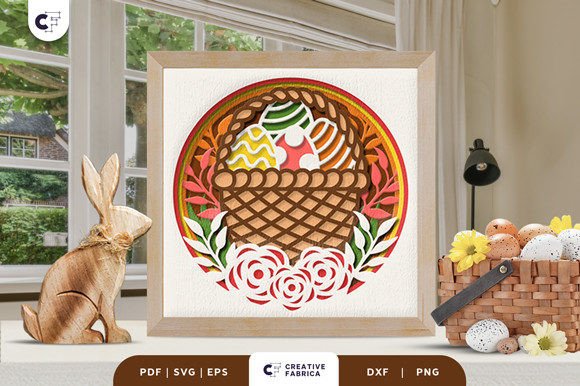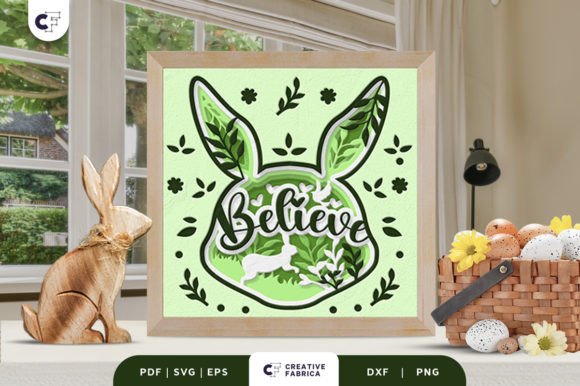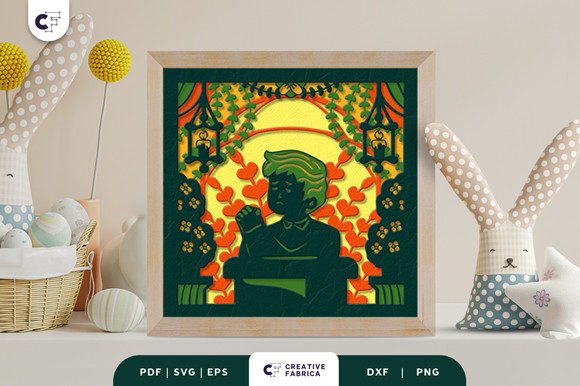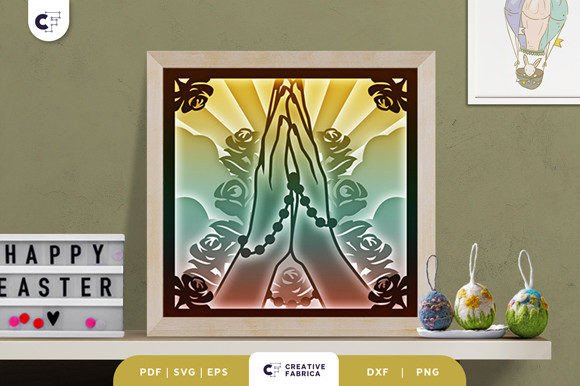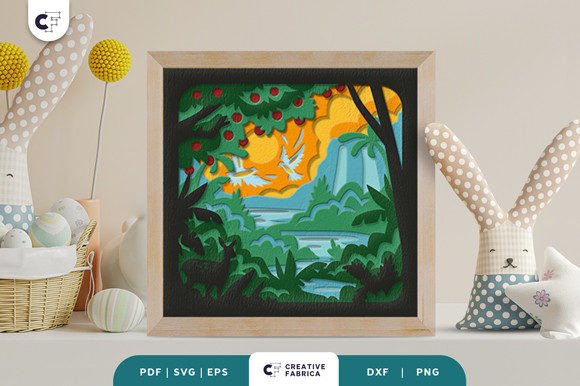
Garden of Eden 3D Shadow Box – Easter 3D SVG for Brand Storytelling
First Impressions: A Visual Narrative Rooted in Tradition and Craft
Opening the Garden of Eden 3D Shadow Box design asset feels like stepping into a carefully curated scene of biblical storytelling. The layered composition, crafted with intricate detail, immediately evokes a sense of reverence and nostalgia. As a brand designer, this isn’t just an Easter-themed SVG — it’s a narrative tool that can elevate seasonal campaigns, faith-based content, and artisanal branding. The design balances ornate detail with clean structure, making it versatile enough for both digital and print use without overwhelming the viewer.
Emotional Tone: Sacred, Thoughtful, and Visually Engaging
This graphic design asset communicates a quiet strength. It’s not flashy or overly stylized, but it carries emotional weight — ideal for brands that want to connect with their audience on a deeper level. Whether used in a faith-based product launch or a curated content series around Easter, the Garden of Eden 3D Shadow Box adds a layer of symbolism and meaning. It fits well with brands that lean into authenticity, heritage, or craftsmanship, especially those targeting audiences looking for thoughtful, emotionally resonant visuals.
Brand Identity and Visual Consistency: A Layered Addition to Your Design Kit
Integrating the Garden of Eden 3D Shadow Box into existing brand assets requires a thoughtful approach. Its layered design makes it ideal for visual storytelling, particularly in campaigns where symbolism plays a role. It can be scaled down for social media posts or expanded for print packaging inserts. As a brand identity element, it works best when paired with clean typography and muted color palettes that allow the design to breathe. The 3D SVG format ensures flexibility across design platforms like Canva, Adobe Illustrator, and Figma, helping maintain consistency from digital ads to printed promotional materials.
Marketing Use Cases: From Pinterest Graphics to Packaging Design
- Social Media Campaigns: Perfect for Easter-themed Instagram carousels, Facebook cover images, and Pinterest pins that need a touch of narrative depth.
- Email Marketing: Use as a header or divider in seasonal email newsletters to reinforce brand storytelling during the Easter period.
- Packaging Design: Ideal for limited edition product packaging, especially for small businesses selling handmade or faith-based products.
- Lead Magnets and Content Kits: Incorporate into branded downloadable guides, devotionals, or printable content that supports a campaign.
- Editorial Design: Works as a decorative header or sidebar graphic in digital or print publications with a spiritual or seasonal theme.
Supporting Marketing Goals: Emotional Connection Through Visual Depth
The Garden of Eden 3D Shadow Box isn’t just visually appealing — it’s strategically useful. By adding a sense of depth and symbolism, it helps create a stronger first impression, especially in visually saturated platforms like Instagram and Pinterest. Its design encourages engagement by drawing the eye into the scene, making it a strong asset for campaigns aiming to build emotional connection and brand recognition. For small business branding, this kind of visual storytelling can differentiate your content from competitors and build a more memorable brand presence.
Where It Shines: Hero Graphics, Branded Templates, and Campaign Headers
This design asset performs best in hero sections of landing pages, editorial headers, and branded templates where visual hierarchy matters. It’s particularly effective when used as a background element in Canva templates or SVG-based digital product visuals. Its layered aesthetic supports a sense of craftsmanship, making it a strong choice for creative marketplaces, digital product sellers, and content creators building seasonal visual kits.
Where to Use with Caution: Formal Branding and Dense Layouts
While visually rich, the Garden of Eden 3D Shadow Box may not be the best fit for minimalist or formal corporate branding. It should be used carefully in text-heavy layouts or mobile-first designs where clarity and simplicity are key. In low-contrast settings or small-scale graphics like mobile app icons, the fine details can get lost, so it’s important to test its application across formats before finalizing.
Designer Notes: Practical Steps Before Deployment
Before integrating the Garden of Eden 3D Shadow Box into your campaign visuals, test it with your brand’s color palette to ensure alignment with your visual identity. Preview it in black and white to see how it holds up in grayscale formats. Place it inside real campaign mockups — from website headers to packaging inserts — to gauge its practical use. Always preview on mobile screens, especially if the design will be used in digital ads or social media graphics. Check readability in small sizes and ensure it doesn’t compete with your core messaging. Pair it with different font styles — from serif to script — to see how it complements your typographic choices. Finally, confirm the commercial license before using it in client work, paid campaigns, or digital product bundles.
A Versatile Asset for Content Creators and Small Businesses
For content marketers and brand designers, the Garden of Eden 3D Shadow Box is more than a seasonal clipart or illustration — it’s a storytelling tool. Whether you’re building a Canva template collection for Easter, designing a branded content kit, or crafting a visual narrative for a faith-based product launch, this design asset offers both aesthetic appeal and strategic value. It bridges the gap between tradition and modern design, making it a strong contender for creative entrepreneurs looking to elevate their visual content without sacrificing professionalism.