Holy Communion Wreath 3D Shadow Box: A First Communion SVG with Dimensional Design Charm
First Impressions: A Faith-Inspired 3D SVG with Decorative Depth
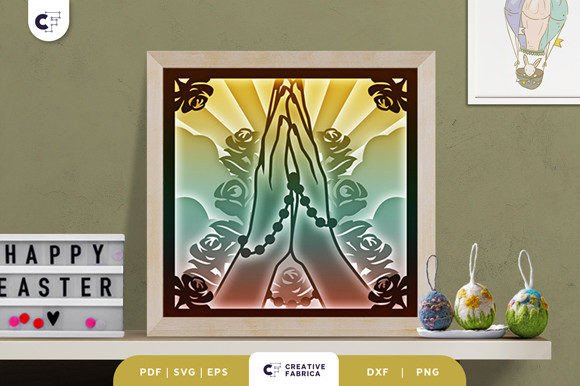
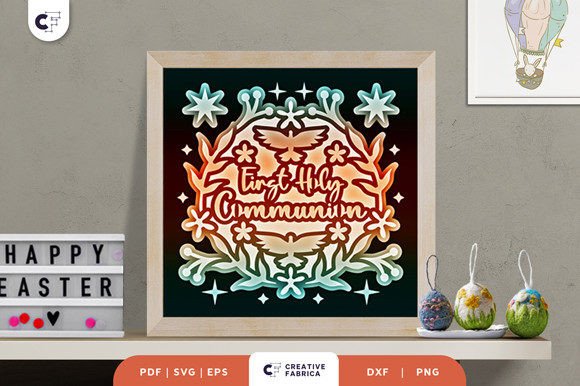
Opening the Holy Communion Wreath 3D Shadow Box file, I was immediately struck by its layered, dimensional composition. This isn’t just a flat illustration—it’s a crafted design asset that brings a tactile sense of depth and elegance to digital and print projects. The intricate layering mimics traditional paper cutting, giving it a handcrafted aesthetic that feels both sacred and celebratory. For a designer working on a First Communion-related brand or seasonal campaign, this SVG offers a unique visual language that can elevate everything from packaging to social media graphics.
Design Style and Emotional Tone: Sacred, Elegant, and Celebratory
The Holy Communion Wreath 3D Shadow Box carries a distinctly Christian Easter and First Communion tone, making it ideal for religious-themed branding, handmade product lines, or boutique-style event materials. The design blends floral motifs with symbolic elements, creating a visual narrative that feels reverent yet joyful. As a designer, I immediately thought of how this could work in a client project for a small faith-based business, a church event flyer, or even a line of Easter greeting cards.
Practical Uses: Where This 3D SVG Shines in Real Design Work
From a functional standpoint, the Holy Communion Wreath 3D Shadow Box is versatile across multiple design applications:
- Product packaging: Works beautifully as a decorative accent on boxes, gift tags, or labels for religious-themed merchandise.
- Printable designs: Ideal for downloadable wall art, invitations, or stationery aimed at Christian audiences.
- Merchandise: Can be adapted for t-shirts, mugs, tote bags, or stickers, especially for Etsy sellers or print-on-demand brands.
- Social media graphics: Perfect for themed Instagram stories or Pinterest pins during Easter or First Communion season.
- Cricut projects: Its layered SVG format makes it easy to cut and assemble for physical crafts and handmade gifts.
In brand identity work, this design asset could serve as a supporting visual element in a broader Easter or First Communion campaign, helping to build a cohesive visual story across digital and physical touchpoints.
Best Applications: When to Feature This 3D SVG Front and Center
The Holy Communion Wreath 3D Shadow Box excels in large-format visuals where its layered detail can breathe. Think:
- Hero graphics on landing pages or blog headers
- Packaging details or gift box inserts
- Themed Canva templates for churches or small businesses
- Editorial spreads or greeting cards with a religious or seasonal theme
- Mockups for Etsy product listings or digital design bundles
Its dimensional quality makes it especially effective in digital mockups or print layouts where depth and texture are desired. It also works well as a decorative border or background accent in editorial or packaging design.
Use with Caution: Where This Design Asset Might Overwhelm
Despite its beauty, the Holy Communion Wreath 3D Shadow Box isn’t a one-size-fits-all solution. It’s best avoided in:
- Small-scale applications where detail will be lost (e.g., tiny stickers or icons)
- Crowded layouts where visual hierarchy needs to be clean and minimal
- Minimalist branding systems that prioritize simplicity and whitespace
- Corporate or professional materials where religious imagery might not align with the audience
- Low-contrast backgrounds where readability or clarity could suffer
Designers should also be cautious when using it in contexts where brand consistency is key—this asset is more thematic than neutral, so it should align with the broader visual language of the project.
Impact on Branding and Visual Communication
When used appropriately, the Holy Communion Wreath 3D Shadow Box can significantly enhance a design’s emotional appeal and audience engagement. It adds a layer of visual richness that communicates care, craftsmanship, and celebration—important qualities for faith-based brands or seasonal campaigns. However, it’s crucial to test how it integrates with other design elements like typography and color schemes.
For example, pairing it with a serif or script font can enhance its traditional feel, while using it alongside a modern sans-serif might create an interesting contrast. Either approach can work, but it requires intentional design decisions to maintain visual harmony and brand consistency.
Designer Notes: What to Test Before Finalizing Use in a Client Project
Before incorporating this 3D SVG into a commercial design project, I always run a few key tests:
- Test in black and white: See how it holds up without color—this helps assess contrast and clarity.
- Check on light and dark backgrounds: Confirm visibility and adaptability across different color schemes.
- Preview at multiple sizes: Ensure it remains legible and impactful both large and small.
- Place on real mockups: Visualize how it looks on actual products like t-shirts, mugs, or packaging.
- Test print quality: Especially important if the client is producing physical items.
- Review file formats: Make sure the SVG is fully editable and the PNG has transparent background if needed.
- Compare with fonts: Try it with serif, sans serif, script, and handwritten typefaces to see what works best.
- Confirm commercial licensing: Always double-check that the design asset is cleared for commercial use—especially important for print-on-demand sellers or Etsy shops.
Final Thoughts: A Faith-Focused Design Asset with Real-World Application
The Holy Communion Wreath 3D Shadow Box is more than just a decorative SVG—it’s a design tool that can bring a sense of reverence and celebration to a wide range of creative projects. Whether you're a graphic designer working on a client’s Easter campaign, a small business owner crafting a handmade product line, or a digital seller curating a design bundle, this asset has the potential to add depth, meaning, and professionalism to your work.
Used thoughtfully and tested thoroughly, it can become a standout element in your design toolkit—especially when working with religious or seasonal themes. Just remember to treat it like any other design element: test it, adapt it, and integrate it with intention to ensure it enhances rather than overshadows the overall visual message.