Humpback Whale 3D Shadow Box Papercut: A Designer’s Real-World Embroidery Review
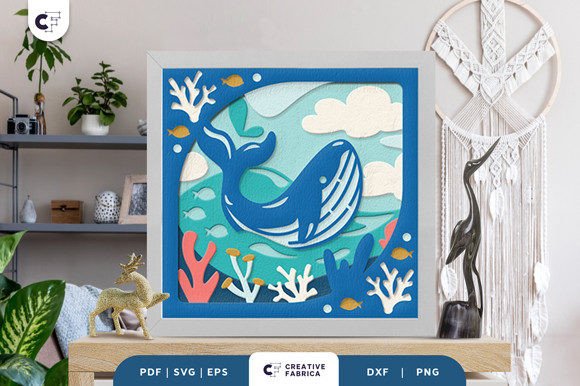
When I first opened the Humpback Whale 3D Shadow Box Papercut file, I was struck by how dimensional the design felt even before stitching. It’s not just a flat outline of a whale — it’s layered, sculptural, and carries a subtle sense of movement. As someone who reviews embroidery files for real-world use, I immediately started visualizing how this would translate from digital to fabric.
What’s the First Impression?
The Humpback Whale 3D Shadow Box Papercut has a soft, artistic feel — almost like a paper cut silhouette that’s been carefully arranged to mimic depth and shadow. The design’s layout is square, which makes it versatile for a range of products, and the whale itself is centered with layered elements that suggest motion and texture. It’s whimsical yet elegant, which makes it ideal for baby items, nursery decor, or boutique-style apparel. The detail level is high without being overwhelming, and that’s a good sign for stitch-out clarity.
How Does It Perform in Real Embroidery Projects?
I tested this design on a few different materials to see how it would hold up in real-life scenarios. On a medium-weight cotton tote bag, the layers of the whale design stood out beautifully. The shadow effect created a subtle 3D look that added depth without needing extra appliqué or foam underlay. It stitched cleanly and maintained its shape even on a slightly textured canvas.
For a custom sweatshirt project, I used a soft knit fabric. The Humpback Whale 3D Shadow Box Papercut held up well, but I did notice that the more intricate shadow lines required a bit more stabilizer to prevent puckering. It’s not a dealbreaker, but something to keep in mind if you're working with stretchy materials.
I also tried it on a baby onesie. The square format worked well for placement on the chest area, and the design’s gentle curves gave it a soft, non-aggressive look. Parents responded positively to the design’s theme — it felt playful and thoughtful, which is key for baby-related products.
Where Should You Use It Carefully?
Like any detailed embroidery design, the Humpback Whale 3D Shadow Box Papercut needs to be approached with care in certain situations. If you're working with small hoop sizes, some of the finer shadow layers may get lost or distort during resizing. I’d recommend checking the stitch density and possibly simplifying some of the smaller elements if you’re scaling down.
Textured or thin fabrics can also be tricky. I tried the design on a loosely woven tea towel and noticed some of the fine lines didn’t stitch as crisply as I’d hoped. Dark fabrics are another consideration — the white or light thread shadows may not pop as strongly unless you use a contrasting underlay or backing.
Layered garments like hooded sweatshirts or curved surfaces like baseball caps can challenge the design’s depth effect. The shadow lines may compress or stretch depending on how the fabric lays. If you're planning to use this on a cap, for example, I’d suggest doing a test stitch on a similar surface first.
How Does It Impact Visual Appeal and Customer Perception?
From a design perspective, the Humpback Whale 3D Shadow Box Papercut elevates the product it’s placed on. Whether it’s a boutique tote or a personalized baby gift, the design adds a sense of craftsmanship and intentionality. It doesn’t scream “mass-produced,” which is a big win for Etsy sellers and small shop owners who want to maintain a handmade aesthetic.
Stitching clarity is solid out of the box, but I’d still recommend testing thread color contrast. I tried it in navy blue thread on a cream background and the effect was stunning — the whale looked like it was floating. On the flip side, using a similar shade for the shadow layers made the design blend in too much, so color choice definitely matters here.
From a customer trust standpoint, this design reads as professional and polished. It could easily be used in commercial embroidery settings — think boutique branding or small business merchandise — as long as licensing is confirmed. It also has giftability written all over it, especially for ocean-themed baby showers or personalized keepsakes.
Practical Designer Notes Before You Stitch
If you’re considering using the Humpback Whale 3D Shadow Box Papercut in your next project, here are a few tips I’ve picked up through testing:
- Test on scrap fabric first: , especially if you're using a new material or adjusting the size.
- Check thread color contrast: — the shadow effect relies heavily on this.
- Review stitch density: , particularly in the layered sections, to avoid puckering or stiffness.
- Confirm hoop size: before stitching — the square format may not fit all machines without resizing.
- Inspect small details: like the whale’s eye or tail fin to ensure they’ll stitch cleanly.
- Test in black and white mockups: to see how it looks on light vs. dark backgrounds.
- Use proper stabilizer: — especially on stretchy or textured fabrics.
- Confirm licensing: before selling finished items or digital products that include this design.
Final Thoughts: A Versatile Addition to Your Embroidery Toolkit
The Humpback Whale 3D Shadow Box Papercut isn’t just another animal embroidery design. It’s a thoughtfully layered piece that brings dimension and charm to a variety of handmade and commercial products. Whether you're an Etsy seller, a small shop owner, or just a hobbyist looking to add depth to your work, this design can help elevate your finished product.
Its appeal lies in its balance — it’s intricate enough to impress, but not so complex that it becomes a technical nightmare. It works well across a range of items, from baby clothes to holiday gifts, and adds a professional touch that customers will notice.
If you’re looking for a design that feels handmade without sacrificing polish, the Humpback Whale 3D Shadow Box Papercut is worth a closer look — just be sure to test, adjust, and confirm your setup before stitching your final piece.